
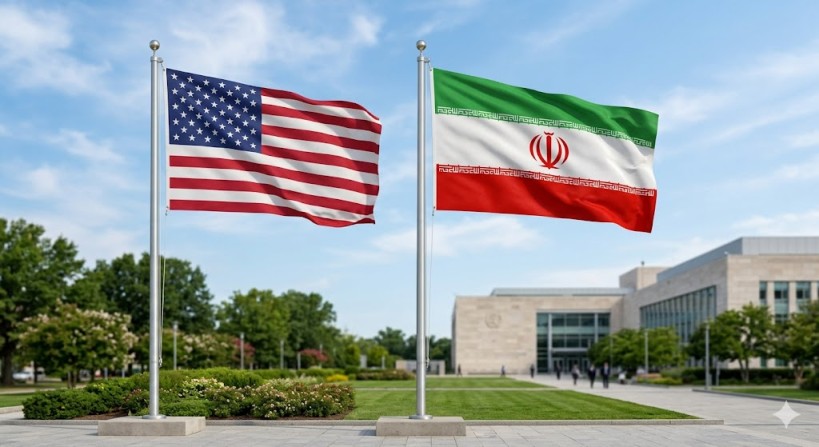
This week, efforts by the United States to engage Iran in negotiations have yet to yield substantial progress despite attempts to prolong a ceasefire and reduce tensions in the Middle East. Discussions are reportedly in the concluding phases, according to US President Donald Trump, though Iranian Foreign Minister Abbas Araghchi has noted that significant breakthroughs remain elusive. Communication continues indirectly through mediators, hinting at ongoing diplomatic maneuvers.
A major sticking point in the negotiations is Iran’s insistence on a ceasefire in Lebanon as a precondition for reaching a broader accord with the US. The negotiations aim to extend the current truce and ensure the reopening of the Strait of Hormuz, a vital maritime passage for global oil shipments.
The situation in Lebanon remains tense, marked by ongoing hostilities between Israel and Hezbollah, a group supported by Iran. Hezbollah has dismissed a ceasefire proposal backed by the US, and skirmishes between its forces and Israeli troops persist in southern Lebanon. The volatile environment complicates efforts to reach a comprehensive peace agreement.
Global energy markets are feeling the strain of this uncertainty, with investors closely observing developments around the Strait of Hormuz. Any potential disruptions to shipping through this crucial oil route could have far-reaching effects on energy supplies and pricing worldwide.
As the situation unfolds, regional and international actors continue their diplomatic endeavors to prevent further escalation and work towards a broader agreement that might stabilize the region. The stakes remain high as these talks carry on, with the hope of averting further conflict and securing peace.