
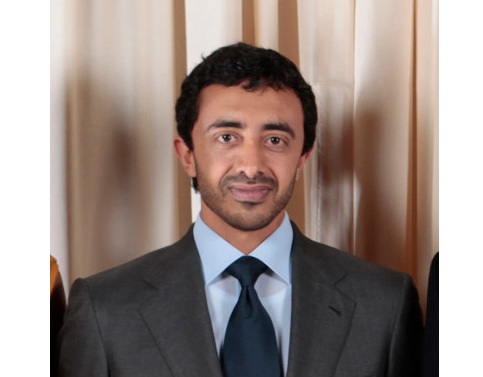
In a recent call with Kuwaiti Foreign Minister Sheikh Jarrah Jaber Al Sabah, UAE Deputy Prime Minister and Minister of Foreign Affairs Sheikh Abdullah bin Zayed denounced Iran’s recent missile and drone assaults on Kuwait, labeling them as acts of terrorism. The conversation focused on the escalating regional tensions and the security situation that unfolded after the attacks. Kuwaiti officials assured the public that their air defense systems successfully intercepted the hostile projectiles, attributing the sounds of explosions heard by residents to these defensive measures.
Sheikh Abdullah emphasized the UAE’s unwavering support for Kuwait, pledging full backing for any initiatives aimed at maintaining the nation’s security and stability. He stressed the interconnected nature of Kuwait’s security with that of the UAE and the broader Gulf region, highlighting the regional significance of the incident.
This development comes amid ongoing diplomatic engagements between the United States and Iran. Though US representatives have noted some progress in these negotiations, the finalization of any agreement remains pending. The backdrop to these diplomatic efforts is a growing concern over maritime safety in the Strait of Hormuz, a critical passage for international shipping.
Iran has voiced opposition to recent US comments concerning shipping operations in this strategic waterway, characterizing the statements as both unlawful and contrary to international standards. This friction underscores the complex interplay of diplomacy and military readiness in the region.
The UAE’s demonstration of solidarity with Kuwait reflects mounting worries over regional security and stability. As diplomatic dialogues continue to unfold, the Gulf states remain vigilant in their efforts to address and mitigate the heightened military tensions in the area.