
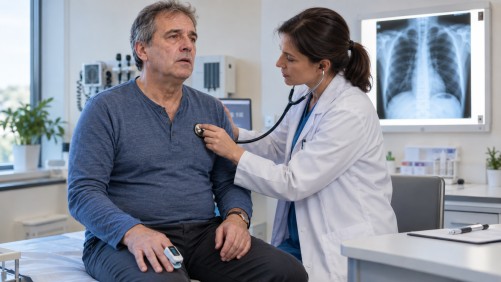
While many associate persistent coughing with lung issues, its absence is not a definitive indicator of healthy lungs. Some respiratory conditions can develop subtly, without noticeable coughing, making it crucial to monitor changes in breathing and physical stamina.
Asthma is one such condition that might not always manifest through a constant cough. Instead, individuals may experience symptoms like breathlessness, wheezing, or a tight feeling in the chest, often triggered by exercise, nighttime, or exposure to irritants such as dust and pollution. These symptoms can be intermittent, leading to potential misinterpretation as allergies or a lack of fitness.
Chronic obstructive pulmonary disease (COPD) presents another scenario where breathlessness can gradually worsen. People might find activities like climbing stairs or walking uphill increasingly challenging. This slow progression may be mistakenly attributed to getting older, especially among those with a history of smoking.
Early stages of lung cancer may not exhibit significant symptoms, but when they do, they can include a persistent or altering cough, chest discomfort, coughing up blood, and unexplained weight loss or recurrent chest infections. Those at risk should consider professional screening rather than waiting for symptoms to emerge.
Recognizing unexplained breathlessness as a potential warning sign is vital, particularly when it progressively worsens or impacts daily activities. Conditions such as pulmonary fibrosis could cause a decline in exercise tolerance and increased shortness of breath before a cough becomes evident. It’s important not to dismiss a gradual reduction in stamina as simply aging or being out of shape.
Consulting a doctor is recommended if you experience unexplained breathlessness, wheezing, reduced exercise capacity, recurrent chest infections, chest pain, coughing up blood, or unexplained weight loss. Depending on symptoms and risk factors, medical professionals may suggest lung-function tests, chest imaging, or blood oxygen assessments to diagnose respiratory issues and determine appropriate treatments.