
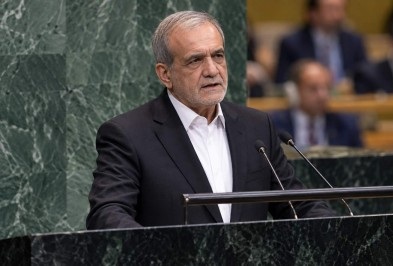
Tensions between Iran and the United States remain high as diplomatic efforts continue amidst ongoing disputes over nuclear ambitions and regional security. The recent session of the United Nations General Assembly in New York served as a platform for Iranian President Masoud Pezeshkian to address these issues, criticizing U.S. President Donald Trump while stating Iran’s willingness to engage in dialogue.
President Pezeshkian emphasized Iran’s readiness for diplomacy but firmly rejected any negotiations that would occur under threats or military pressure. His comments came shortly after President Trump indicated the possibility of further actions against Iran, even as he acknowledged the potential for renewed discussions between Washington and Tehran.
On the sidelines of the UN gathering, a significant meeting took place between Iranian Foreign Minister Abbas Araghchi and U.S. special envoy Steve Witkoff. The three-hour discussion, mediated by Qatar, revolved around conditions for resolving tensions and alleviating the economic pressures facing Iran. Key issues include the economic sanctions and hostilities affecting the Strait of Hormuz, a critical waterway for global shipping and energy markets.
Iran has made clear its conditions for easing these tensions, which include lifting economic restrictions, ending hostilities, and unblocking Iranian assets. President Pezeshkian reiterated Iran’s stance that its nuclear program is intended for peaceful purposes and that it does not seek nuclear weapons. He also called for regional collaboration on security matters to reduce reliance on external powers.
The strained relationship between the U.S. and Iran is compounded by accusations from Tehran against both the United States and Israel of aggressive actions. Despite these challenges, the recent diplomatic engagements suggest that there is still room for dialogue, although significant disagreements persist over sanctions and Iran’s nuclear activities.