
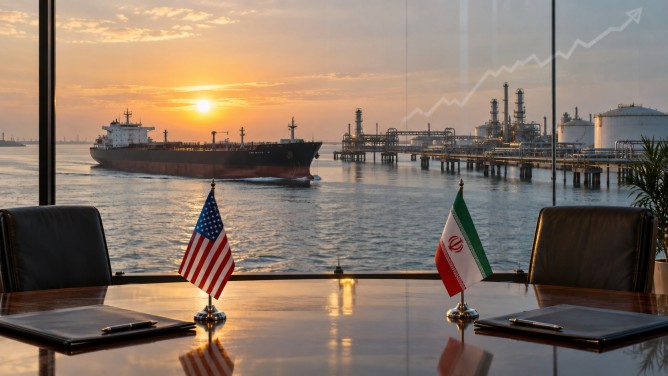
Amidst rising geopolitical tensions and market uncertainties, oil prices have shown an uptick following several days of decline. This change comes as investors keep a close watch on the potential diplomatic dialogue between the United States and Iran, set to unfold at the United Nations General Assembly in New York.
Brent crude futures for November delivery saw a 1.7% increase, reaching approximately $102 per barrel. Similarly, the US West Texas Intermediate (WTI) crude for October rose by about 1.7%, nearing $97 per barrel, with the more actively traded November WTI contract also making gains. This recovery in oil prices underscores the significant influence of diplomatic and regional developments on the energy markets.
The focal point remains the possibility of a meeting between US President Donald Trump and Iranian President Masoud Pezeshkian, who is expected to attend the UN session. Such talks are anticipated to address ongoing tensions and could potentially impact oil supply dynamics.
In the broader Middle East context, regional stability remains precarious. Saudi Arabia has increased crude oil exports through the critical Strait of Hormuz, countering previous disruptions along its East-West pipeline. However, the activities of Yemen’s Iran-aligned Houthi group, which have included attacks on Saudi interests, continue to exacerbate regional uncertainties. China has called on Iran to help curb these attacks to alleviate the situation.
Further compounding the situation, Libya experienced disruptions as an armed group reportedly shut down a valve on the Sharara crude pipeline, leading to a reduction in production by approximately 200,000 barrels per day. These developments highlight the fragile nature of global oil supply chains, where geopolitical factors play a crucial role in shaping market outcomes.