
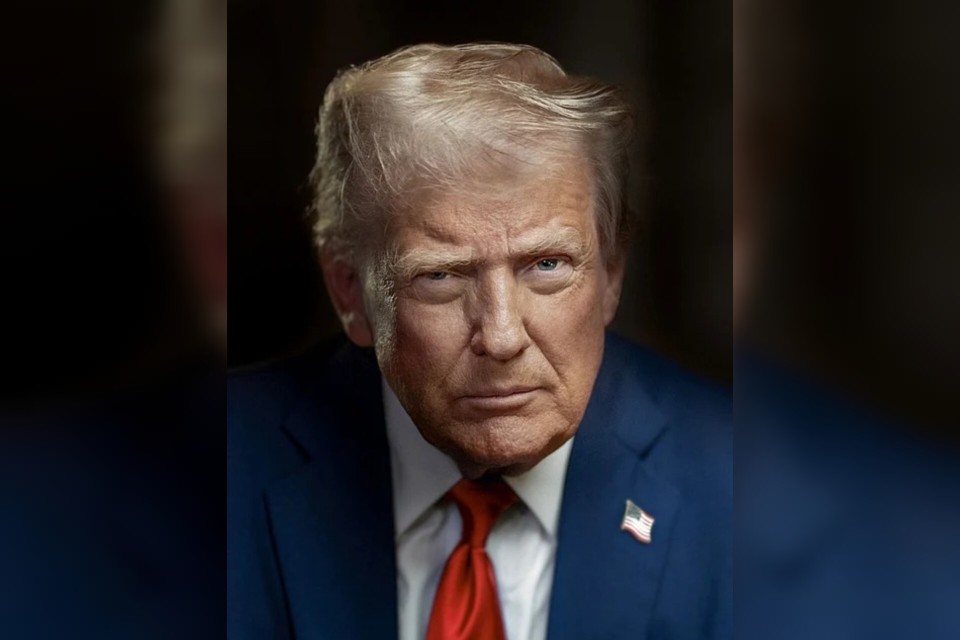
Amid ongoing tensions, US President Donald Trump has announced that a peace agreement with Iran is nearing completion. This statement follows extensive negotiations involving key players in the Middle East, as well as Pakistan and Israel. Trump indicated that the agreement, which would potentially reopen the Strait of Hormuz and de-escalate the conflict that erupted earlier this year, is almost finalized, with only minor details left to resolve.
The negotiations have seen participation from prominent leaders across the region, including those from Saudi Arabia, Qatar, Turkey, Egypt, the UAE, Jordan, Bahrain, and Pakistan, alongside Israeli Prime Minister Benjamin Netanyahu. However, Iran has expressed reservations, particularly concerning the control of the critical Strait of Hormuz. Iranian officials have asserted that Iran will maintain authority over the waterway, including oversight of shipping routes and permits.
Pakistan has played a notable role in these diplomatic efforts, with Prime Minister Shehbaz Sharif expressing optimism about the developments. He indicated Pakistan’s willingness to facilitate further discussions between the United States and Iran. The Pakistani army chief, General Syed Asim Munir, has been actively involved in mediation, having met with Iranian leaders in Tehran to advance the talks.
The draft agreement reportedly outlines several key measures, such as a 60-day extension of the current ceasefire, the reopening of the Strait of Hormuz without imposing tolls, and the easing of restrictions on Iranian oil exports. Additionally, it seeks to revive negotiations on Iran’s nuclear program. In exchange, the United States might consider easing restrictions on Iranian ports and release frozen Iranian assets as part of the broader agreement.
Despite these diplomatic strides, the situation remains tense. President Trump has warned of potential military action should the negotiations collapse, while some Republican critics argue that the agreement mirrors past nuclear deals they oppose. The potential deal has sparked debate in Washington, with proponents viewing it as a means to prevent further conflict and economic turmoil, whereas opponents fear it might enhance Iran’s influence in the region.