
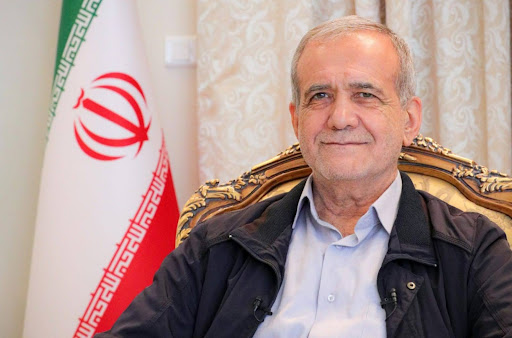
President Masoud Pezeshkian has reaffirmed that Iran’s military strategy is focused purely on self-defense rather than aggression. He stated that while the country does not start wars, it will respond with overwhelming force if its own assets are hit. This message was sent to Gulf neighbors as the regional conflict entered its second month of high-intensity combat.
The geography of the war has expanded to include Saudi Arabia, Oman, and the UAE, where U.S. military bases are active. As these bases are used to facilitate strikes against Iran, Tehran has hit back at those same territories in retaliation. This has turned a localized conflict into a regional crisis involving multiple sovereign states and economies.
In his recent statements, Pezeshkian urged neighbors to stop foreign “enemies” from using their lands to manage the war. He linked the “security and development” of the region to the removal of foreign military influence from Gulf soil. This stance is a cornerstone of Iran’s current approach to regional relations and wartime diplomacy.
The impact of this war is felt heavily in the global markets, where the blockade of the Strait of Hormuz has driven energy prices to record highs. The safety of the Gulf region is paramount for international trade and maritime security. A prolonged war could have lasting negative effects on the global economy and local stability.
Diplomats are now looking to Pakistan for a solution to the ongoing crisis. Prime Minister Shehbaz Sharif is coordinating peace efforts that have been welcomed by the Iranian government in Tehran. The ministerial meetings held in Islamabad on March 29–30 are seen as a vital opportunity to find a path forward.