
The life of Diane Keaton, who has died at 79, was defined by her brilliant career, but also by two significant medical diagnoses that shaped her from a young age: skin cancer and bulimia nervosa. A closer look at her health history reveals a woman who contended with chronic physical and mental health issues for most of her adult life.
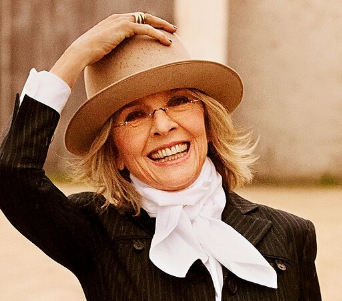
The first diagnosis came at age 21: skin cancer. This was not a fleeting issue but a persistent one, with a strong genetic component from her family. It led to the adoption of her trademark hats and required multiple medical interventions over the years, including surgeries for both basal cell and squamous cell carcinoma.
The second diagnosis, while perhaps not formally given until later, was the eating disorder bulimia. This mental health condition was triggered by a comment about her weight and manifested as an addiction to food. She bravely shared the clinical realities of her condition, including the massive caloric intake and the feeling of being an “addict in recovery.”
Managing these two distinct and serious conditions concurrently required immense strength. One was a visible, physical threat that she managed with preventative fashion and medical care. The other was an invisible, psychological war that she fought through intensive therapy.
By speaking openly about both, Keaton helped to normalize conversations around both cancer and eating disorders. Her story underscores the fact that a person can be simultaneously successful and struggling, a powerful truth that is a key part of her enduring legacy.