
France’s evolving stance on its colonial history has taken another significant turn with its admission of responsibility for a brutal war in Cameroon. This move from decades of silence to formal acknowledgment highlights a slow but profound shift in the nation’s approach to its past.
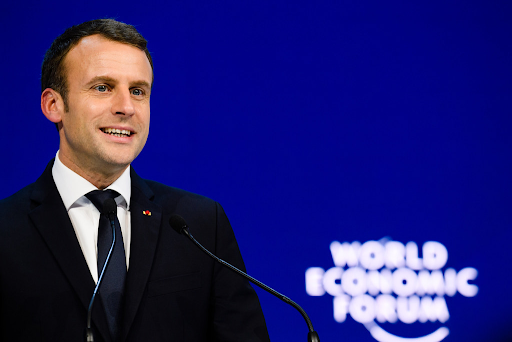
President Emmanuel Macron’s letter to his Cameroonian counterpart, Paul Biya, accepted the conclusions of a joint historical commission. The commission found France responsible for violent repression between 1945 and 1971, which cost tens of thousands of lives and shaped the political landscape of modern Cameroon.
This evolution has been driven by several factors, including the tireless work of a new generation of historians, pressure from African nations, and a geopolitical climate that is increasingly critical of neo-colonial attitudes. Macron, more than previous leaders, has engaged in gestures like returning art to Benin and now acknowledging the war in Cameroon.
However, this evolution is still incomplete. The French government’s reluctance to issue full apologies or engage in discussions about reparations suggests a limit to its current willingness to reckon with its past. The question remains whether these admissions are the final word or the beginning of a deeper dialogue on historical debt.